
Aryabhata
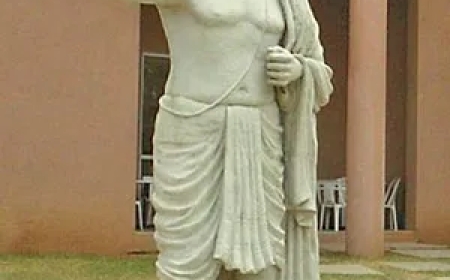
Aryabhata (born 476, possibly Ashmaka or Kusumapura, India) was an astronomer and the earliest Indian mathematician whose work and history are available to modern scholars.

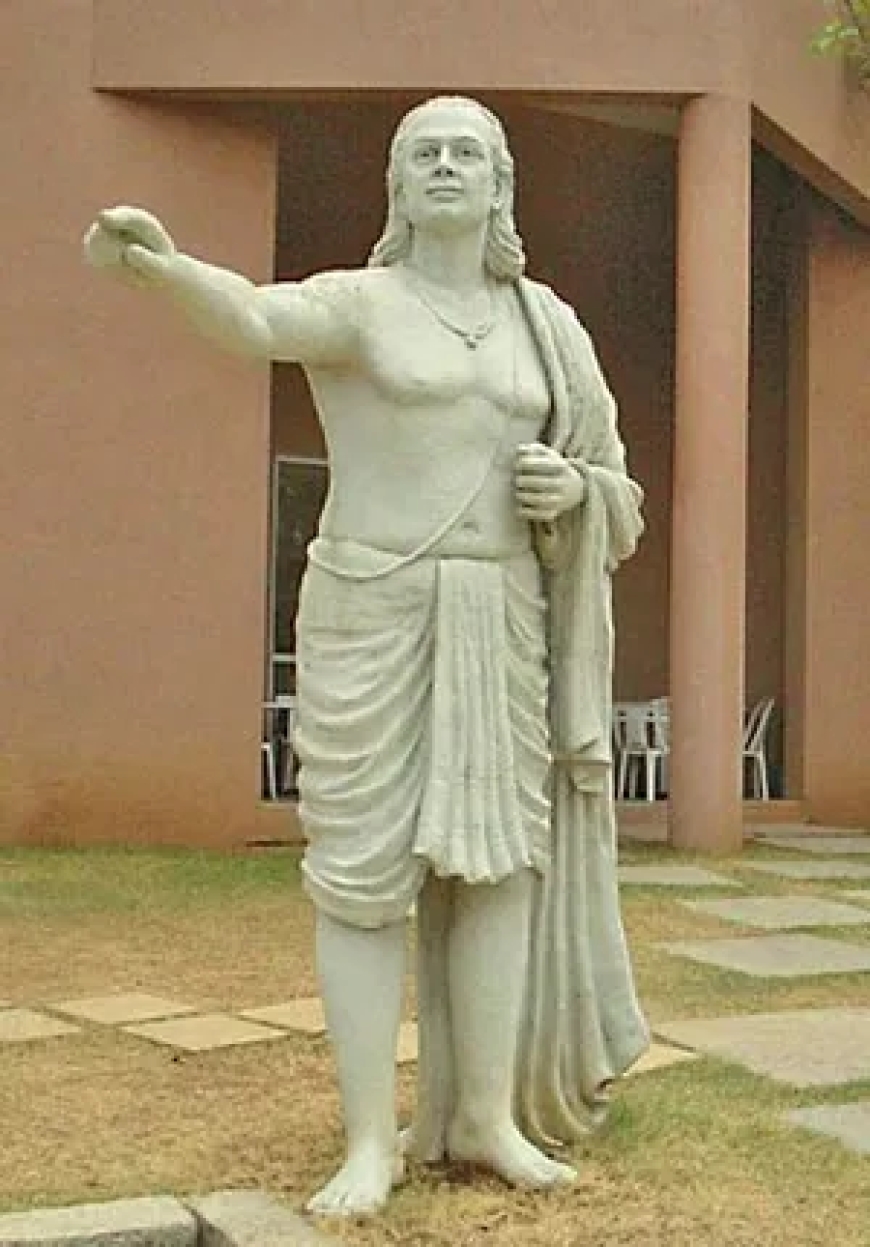
Aryabhatiya is a treatise written in Sanskrit verse particularly popular in southern India, where numerous mathematicians over the ensuing millennium wrote commentaries. The work was written in verse couplets and deals with mathematics and astronomy. Aryabhatiya is divided into four padas (“sections”). The opening pada, “Gitika” (“Verses”), also called “Dasagitika” (“Ten Verses”), comprising ten core verses, sets out basic astronomical parameters, units of time, and numerical constants. It also introduces Aryabhata’s system of alphabetic numeration, in which numbers are represented by syllables formed from consonants and vowels. This system made it possible to encode large numerical values in verse form and was widely used by later astronomers. The remaining padas are “Ganita” (“Mathematics”), “Kalakriya” (“Time Calculations”), and “Gola” (“Sphere”).
What's Your Reaction?
 Like
0
Like
0
 Dislike
0
Dislike
0
 Love
0
Love
0
 Funny
0
Funny
0
 Angry
0
Angry
0
 Sad
0
Sad
0
 Wow
0
Wow
0